A Cosmopolitan Capital
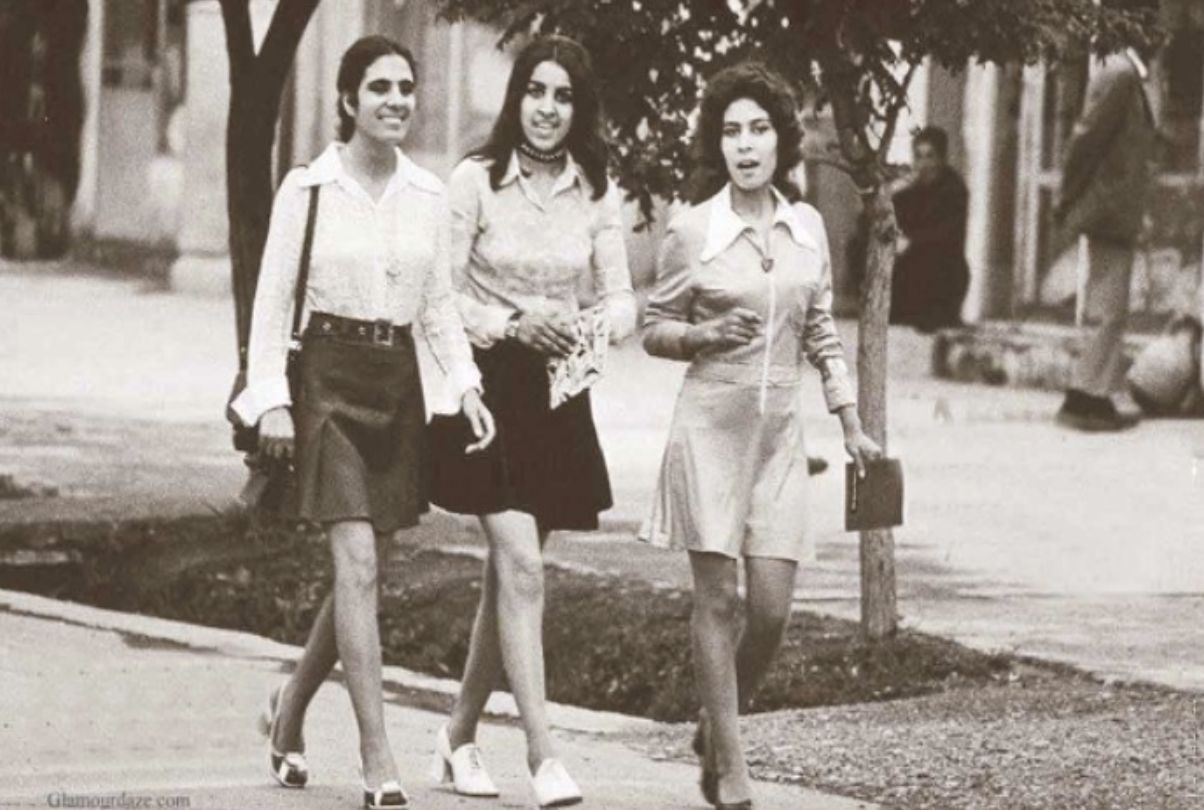
During the mid-20th century, Kabul was a thriving, cosmopolitan hub. Often referred to affectionately as the "Paris of Central Asia," the city was characterized by a seamless blending of deep historical roots and forward-looking optimism.
On the streets, it was common to see a vibrant mix of traditional Afghan garments alongside the latest Western styles—mini-skirts, tailored blouses, and mod heels. This visual hybridity reflected a broader societal shift toward individual expression and global connectivity.
Progress from the Top Down
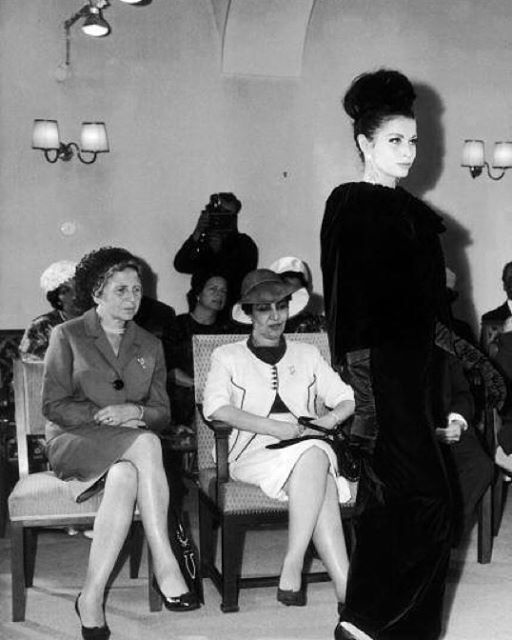
The modernization of Afghan culture and fashion was not merely a grassroots movement; it was championed from the highest levels of government. The Royal Family actively pushed for social reforms, including the voluntary un-veiling of women.
High-profile figures, including Queen Homaira, patronized the arts and frequently attended fashion shows. This official royal endorsement created a safe, celebrated environment for designers like Safia Tarzi to operate boutiques and push creative boundaries within the capital.
Expanding Horizons
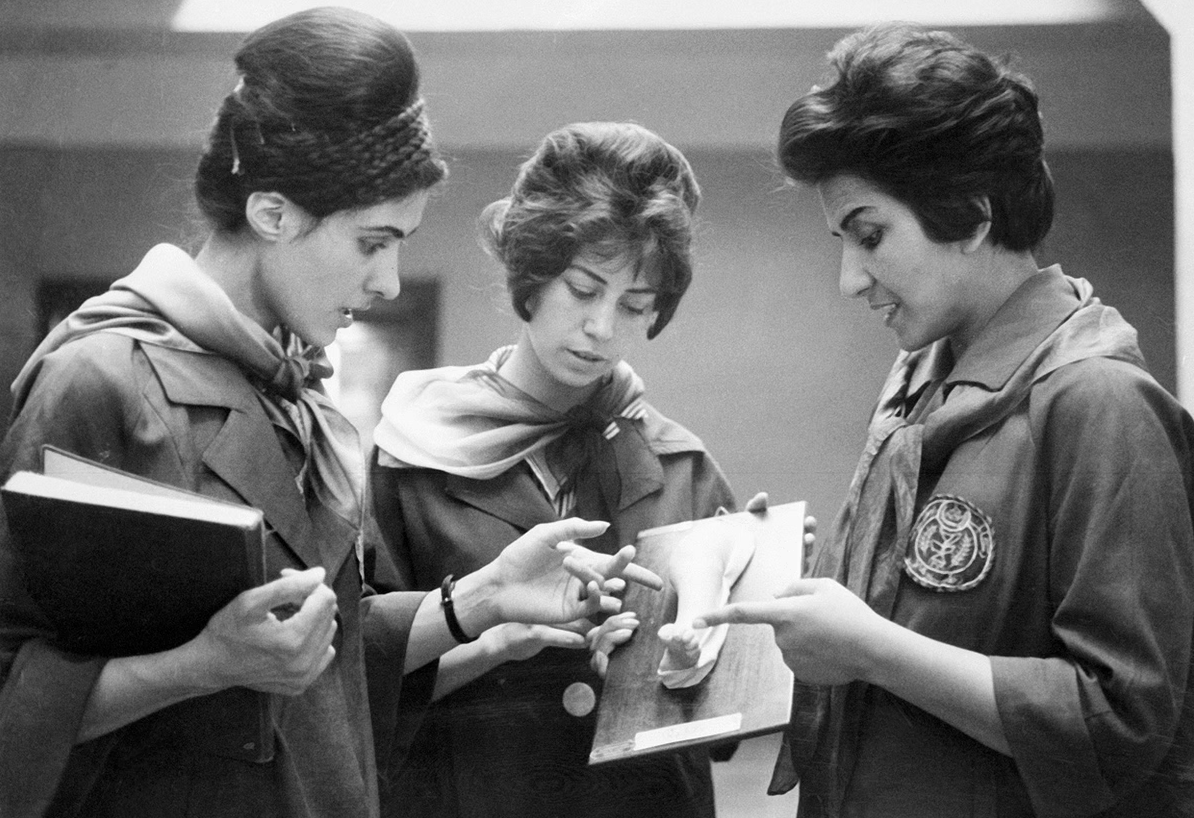
The cultural awakening of the 1960s extended far beyond aesthetics. This era saw unprecedented access to education and the professional workforce for Afghan women.
Whether they were studying medicine, entering politics, or—like Tarzi—building international businesses, women were becoming a highly visible and integral part of the nation's intelligentsia. Safia Tarzi’s success was a shining example of this rising tide of empowered female professionals who were actively shaping the future of Afghanistan.