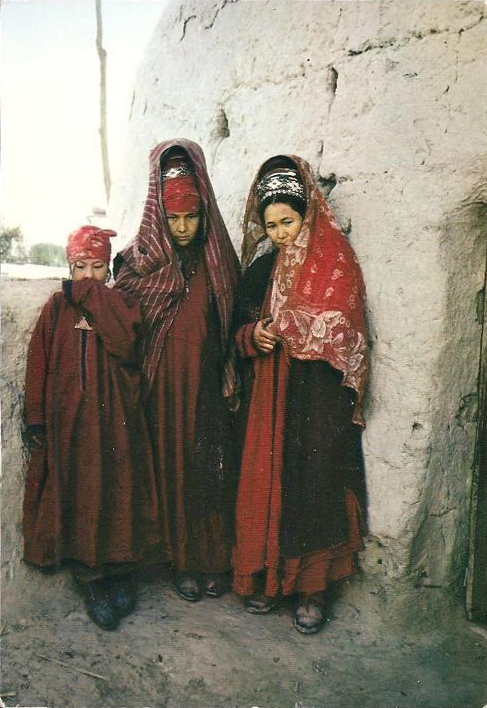
Roots in the Hindu Kush
Safia Tarzi was born into the prominent and modernizing Tarzi family; she was the daughter of a former Afghan ambassador and was often referred to as Princess Safia Tarzi. Her family lineage included liberal thinkers like Mahmūd Bēg Tarzī and Queen Soraya Tarzi, who famously championed women's education and rights in Afghanistan.
Establishing her own fashion studio in Kabul, Tarzi found herself at the center of a rapidly modernizing city that had earned the moniker the "Paris of Central Asia". Her aesthetic was heavily informed by the traditional embroidery, vibrant dyes, and utilitarian layers of nomadic Afghan tribes.
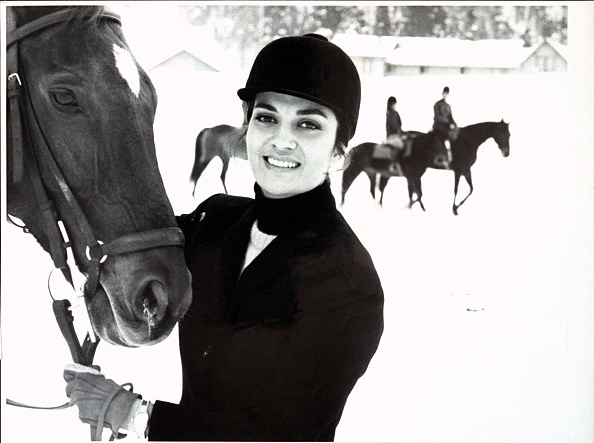
A Jetsetter & Cultural Bridge
Living between Europe and Kabul, Tarzi embodied the cosmopolitan spirit of the 1960s. Her unique, boundary-pushing lifestyle included stints as a race car driver, a scuba diver, and an expert air balloonist. Described by contemporary press as the "only fully emancipated Afghan woman at large in the world today," she mingled effortlessly with international diplomats and the global fashion elite.
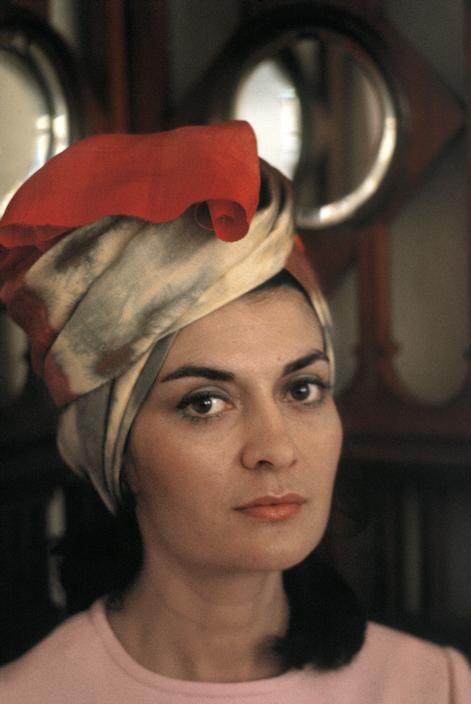
A Tragic End to a Trailblazing Life
Tragically, her adventurous life was cut short circa 1976. While training to cross the English Channel by balloon, she was killed in an accident when several balloons collided near Paris. Though she passed away prematurely, her daring legacy endures through her groundbreaking contributions to global fashion and her unapologetic pursuit of freedom.